Wednesday, 30 January 2013

Karunaikizhangu Masiyal/Mashed Yam Curry

Masiyal/Mashed Yam Curry

Karunaikizhangu Masiyal is a Chettinad special side dish, which is very popular among Nagarathars. It often used to find it's place in our lunch boxes, along with curd rice, when I was young.
 
Karunaikizhangu is referred to as Elaphant foot Yam. It's said to have anti-oxidant properties and Vitamin C. It can also regulate bowel movements and prevent constipation. It's often used to treat Piles.
However, for some people, it can cause a kind of itchiness in the tongue. Generally to avoid this, it’s cooked with sour taste, either tamarind or lemon

Method:


Yam/Karunaikizhangu - 4 to 5

finely chopped big onion - 2

Lemon (juice) - 1 (or)

Tamarind extract/ imli/ pulithanni - 2 tsp.

Coriander powder - 1/2 tsp.

Chilli powder/Sambhar power - 1 to 2 tsp. (according to spice level)

Turmeric/Haldi - 1/4 tsp.

Salt - to taste

Coriander leaves - few strands
(to garnish)


Tempering:

Mustard seeds - 1/4 tsp.

Jeera/Cumin seeds - 1/4 tsp.

Green chilli (Slit into half) - 1

Curry leaves - few

Oil - 2 tbsp.

Boiled Kizhangu/yam
 
 
Wash and boil yam with water. You can pressure cook for 1 to 2 whistles, which would roughly take 5 to 7 minutes.

Peel the skin and mash the yam, mix all the masala powder ingredients and tamarind/lemon juice. Set aside.
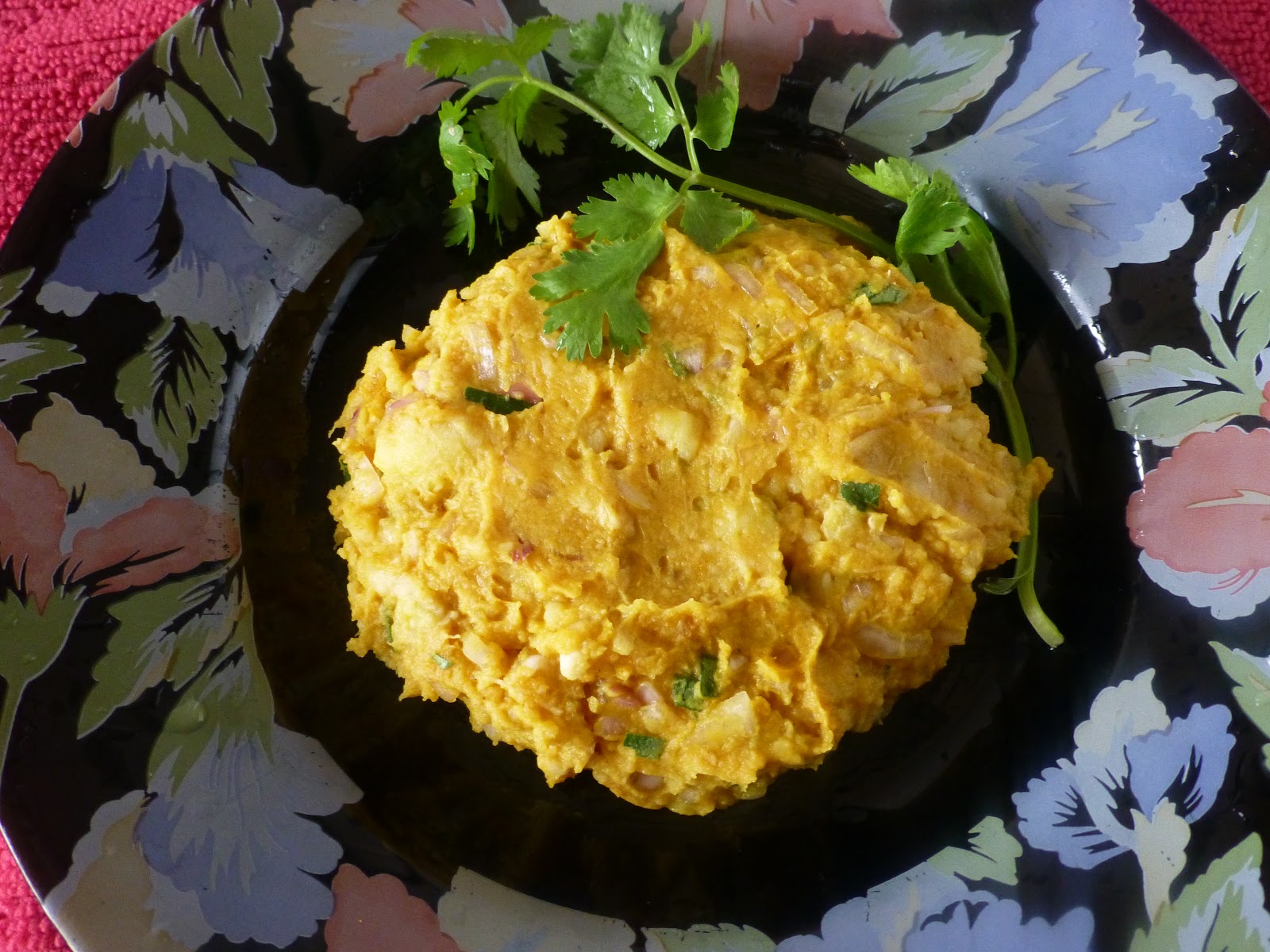

Mashed Yam


Pour oil in a non-stick pan, when it's heated add mustard seeds followed by Jeera, chilli and curry leaves. Now add the onions, let cook for few minutes until it becomes golden brown. Now combine the mashed Karunaikizhangu or yam. Cook in low heat for 10 to 12 minutes until it gets non-sticky texture.
 Garnish with coriander leaves and serve with rice. It goes well with curd rice/yogurt rice/ thayir sadham.


Tuesday, 29 January 2013

Sri Mahalakshmi Ashtakam


Mahalakshmi is the consort of Lord MahaVishnu, so it's believed that we should pray Mahalakshmi before praying Mahavishnu in any form, be it Rama, Perumal, Krishna, Narasimhar,etc.,to get His blessings.


Lyrics:

Namosthesthu Maha Maye sree Peede Sura Poojithe,
Sanka Chakra Gadha Hasthe Maha Lakshmi Namosthuthe!

Namasthe Garudarude Kolasura Bhayan Kari
Sarva Papa Hare Devi Maha Lakshmi Namosthuthe!

Sarvagne Sarva Varadhe, Sarva Dushta Bhayan Karee
Sarva Dukha Hare Devi, Maha Lakshmi Namosthuthe!

Sidhi Budhi Pradhe Devi, Bhakthi Mukthi Pradayinee
Manthra Moorthe Sada Devi, Maha Lakshmi Namosthuthe!

Aadhyantha Rahithe Devi, Aadhi Shakthi Maheswari
Yogaje Yoga Sambhoothe, Maha Lakshmi Namosthuth!

Sthoola Sukshma Maha Roudhre, Maha Shakthi Maho Dhare
Maha Papa Hare Devi, Maha Lakshmi Namosthuthe!

Padmasana Sthithe Devi, Para Brahma Swaroopini
Para Mesi Jagan Matha Maha Lakshmi Namosthuthe!

Swethambara Dhare Devi Nanalankara Bhooshithe
Jagat Sthithe Jagan Matha Maha Lakshmi Namosthuthe!


Phala Sruthi
Maha Lakmyashtakam Stotram,
Ya Padeth Bhakthiman Nara,
Sarva Sidhi Mavapnothi,
Rajyam Prapnothi Sarvadha.
 
Here's an Audio-link for Mahakakshmi Ashtakam:
A very beautiful and soothing rendition by Karnatic Singer Sowmya!


Sundara Kandam Parayanam - Sundara Kandam Recital:

Ramar Pattabishegam Picture!


Sundara Kandam is one of the 6 kandams in Valmiki Ramayana

1. Bala Kanda - 77 chapters
2. Ayodhya Kanda - 119 chapters
3. Aranya Kanda - 75 chapters
4. Kishkindha Kanda - 67 chapters
5. Sundara Kanda - 68 chapters
6. Yuddha Kanda - 128 chapters


There is said to be one more Kanda called Uttara Kanda, describing Rama's life in Ayodhya as king, the birth of his two sons, Sita's test of innocence and return to her mother, and end of Rama's earthly life.


Sundara Kandam Book


Out of these, the Sundara Kanda is considered very important. Reciting Sundara Kandam is said to give material as well as spiritual benefits to both, one who recites as well as one who listens to it.


All the sufferings will be alleviated and the family will be filled with peace.


I've personally experienced tremendous benefits from reciting Sundara Kandam and have recommended to so many friends and relatives. Though some people can experience peace, happiness, prayers getting
answered and other kind of benefits immediately, some may not. It would have worked at a subtle level. Though we don't feel it immediately, it will definitely prove beneficial in the long run. I can vouch for it. But please do it with whole- hearted belief.


There are many conventional ways of reciting Sundara Kandam, which you are welcome to follow. But, if you cannot follow those methods due to busy life style, you need not get dis-heartened. It's just the devotion and love for God that matters most.


Either you plan for a course of 5 days, 7 days, 9 days, and 11 days. Divide the 68 sargams conveniently over the chosen period of time, to recite.


A picture of Rama,Sita, Lakshmana and Anjeneya, preferably Pattabishegam Picture, or just the Ramayana - Sundara Kandam recital book and any kind of Prasad, is all what you need for the recital. Just a cup of boiled milk with sugar would do for the Prasad. You can offer any kind of fruits instead, though Pomegranate is said to be a very appropriate offering. Try to offer Tulsi or any Kind of flower that's meant for Prayer. If possible make some sweet, like Sweet Pongal - Sarkarai Sadam on the final day.


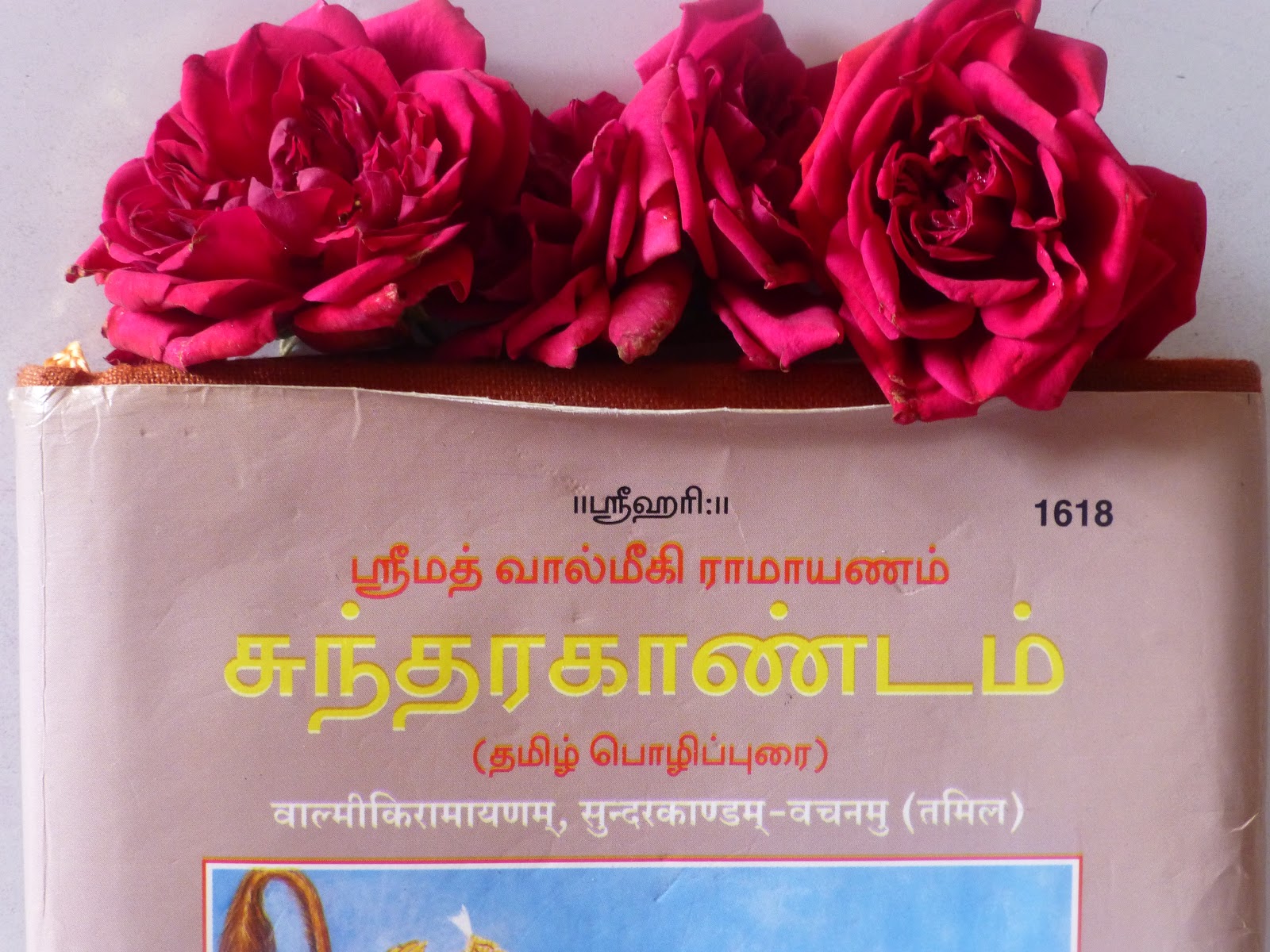
Srimad Valmiki Ramayana Sundarakandam in Tamil


Start everyday recital with Ganesha Slokam followed by any Mahalakshmi Slokam and Ramar Slokam. Instead of Slokam, you can sing bhajans as well.
Also finish the recital with Ram bhajan/Slokam followed by Hanuman Slokam/bhajan.


The recital would culminate with Ramar Pattabishegam Chapter from Yuddha Kandam, on the final day. Normally this chapter would be included in all the Sundara Kandam recital books available in the market.


Sundara Kandam has been translated by numerous Authors, in many vernacular languages; choose a book which you would be comfortable with, to get started. Translation (in Tamil) of original version of Valmiki Ramayanam Sundara Kandam is also available, this is the one one I use now. This is little more elaborative. But when I started I began with the simplified Tamil version.


You can invite some of your friends and relatives on the final day of recital (or all days) and enjoy the bliss together. It's good to offer food for the poor people as well.


To simplify the whole process and to do it on a regular basis, I use to read one Sargam everyday and upon reading the last, 68th Sargam, I read Ramar Pattabishegam. Generally I make Sarkarai Pongal, along with some fresh fruits for Prasad. Do it with whole-hearted devotion and love, enjoy His bliss.


However, if you wish to recite, following traditional methods, here's a link which will give you more information about this.

http://family.wikinut.com/How-To-Perform-Sundara-Kandam-Parayanam/giju7fhq/.


Sri Rama Jayam!


Sri Rama dhootha Mahadheera
Rudraveerya Samudhbava
Anjanaa garbha sampootha
Sri Vaayu Puthra Namosthuthe!


Buddhir Bhalam Yaso Dhairyam Nirbhayatvam Arogathaam
Ajaatyam Vaak Padutvam Cha Hanumat Smaranaath Bhavet !

Yathra Yathra Raghunaatha Keerthanam 
Thathra Thathra Kritham Hasthaka Anjalim
Bhaashpa Vaari Paripoorna Lochanam
Maarutim Namatha Raakshasa Anthakam !

Asaadhya Saadhaka Swaamin
Asaadhyam Thava Kim Vadha
Raama Dhootha Krupaa Sindhoh
Muth Kaaryam Saadhaya Prabhoh !


Thursday, 24 January 2013

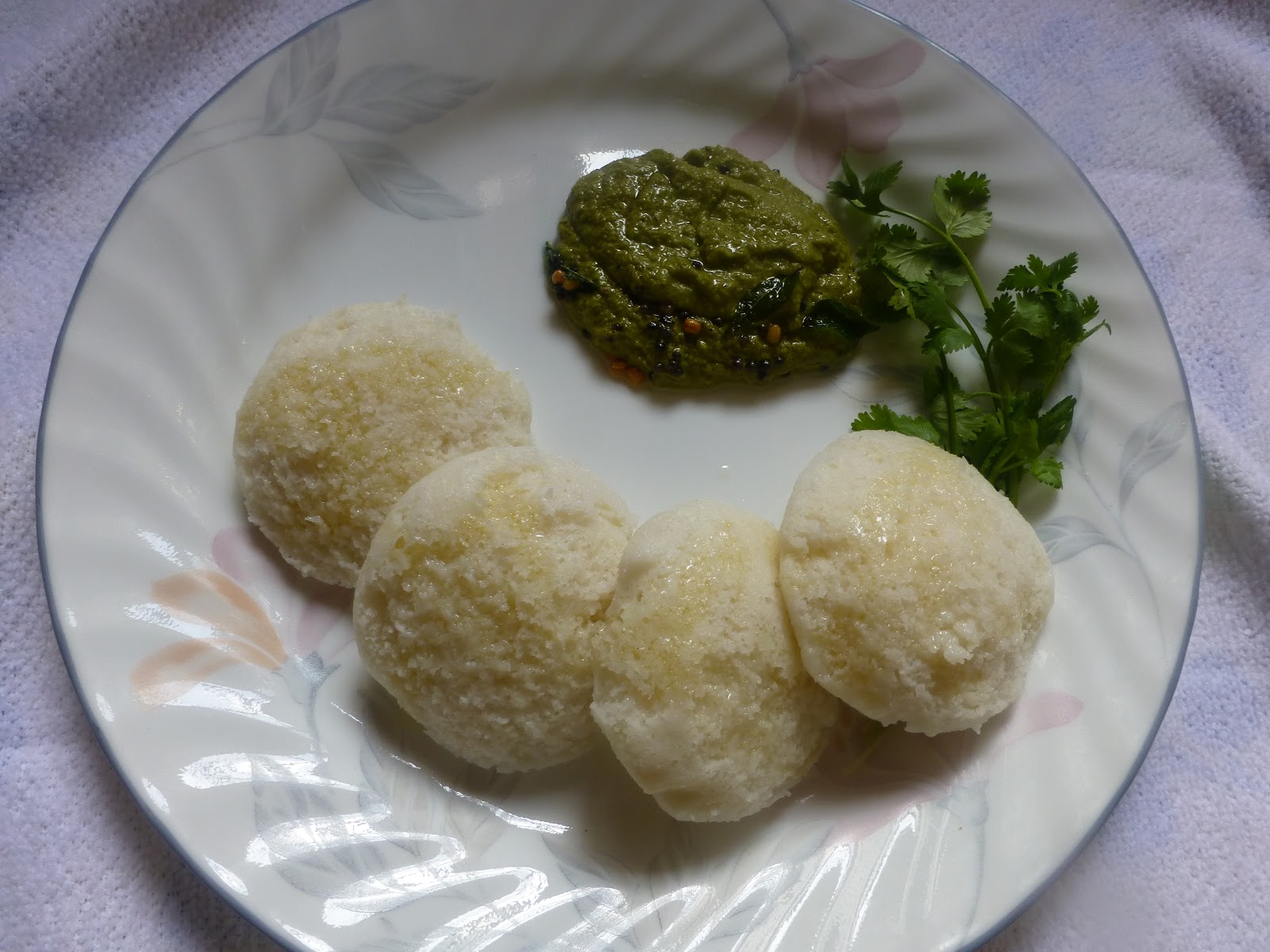
Idli


Chettinad is famous for its soft, malligaipoo idlis.

Achis use Idli ponni and Ulundu, in ratios ranging from, 4:1 to 5:1.

Achis never use soda or any other softner.  If we follow their tip, we are sure to get very soft idlis.


Tips Tips Tips for Soft Idlis:

The quality of Ulundu/black gram is the predominant factor, which determines the texture of the idlis.

If you are living overseas (other than India), try to get good quality Ulundu imported from India. Avoid half ulundu for idlis, at least for Dosais we can manage. Also, try to buy from time to time (i.e) try not to over stock.

If the quality of ulundu is not good enough, try to increase the ratio of Ulundu, like 3:1. For 3 cups of rice, 1 cup Ulundu.

While soaking rice and ulundu, soak them separately and grind them separately.  Because, soaking, as well as grinding time differs for Ulundu and Rice.

Rice needs to be soaked at least 3 to 4 hours. To expedite soaking, try to use warm water, the temperature should be warm, NOT hot.

Ulundu can be soaked for ½ to 1 hour.

Grind Ulundu for atleast 30 minutes. If the quantity is more, grind for 45 minutes.  Add water little by little, from time to time.

The process may appear to be tedious, but the result will be definitely rewarding.

Now-a-days many youngsters give up this healthier breakfast, just because they don’t know these simple techniques.

Once you learn to do well, it will be very easy.
You can make 6 to 8 cups during weekends and refrigerate in separate containers for each day’s use.
When you refrigerate, next time when you use, make sure to leave it outside the fridge for ½ to 1 hour before making idlis.


 Idli – Dosai Maavu/Batter:

Ingredients:

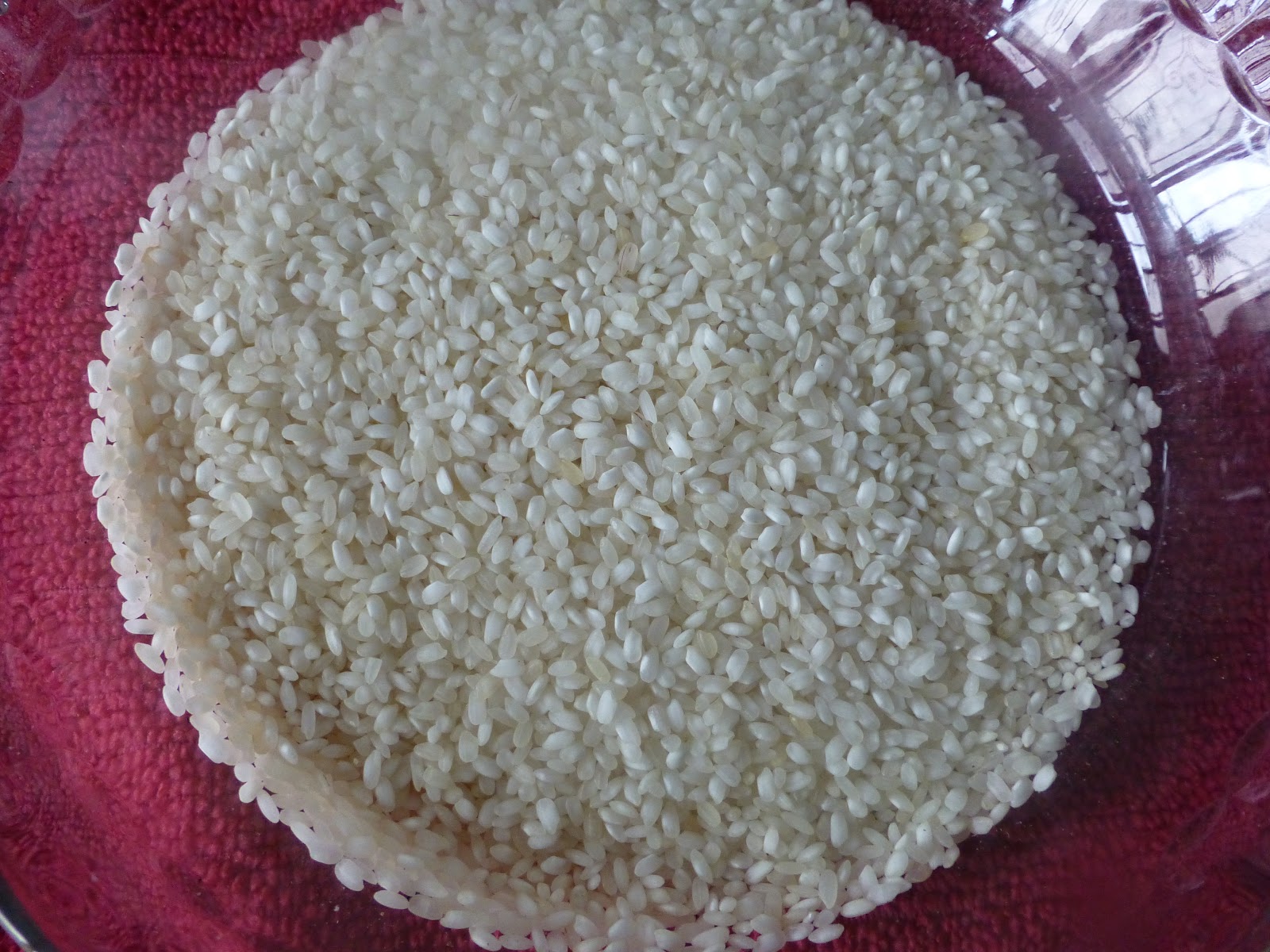
 Idli Ponni Rice/Parboiled rice – 4 cups

Ulundu/black gram – 1 cup

Salt – 3 tsp.
 Perfect Ulundu/Black gram for Idli

Idli Ponni/Par-boiled Rice


Method:

Soak rice in water for 3 to 4 hours.

After 2 to 3 hours, soak ulundu for min 30 minutes.

Grind ulundu first, adding enough water from time to time and set aside.

Grind rice, until it becomes fine. Add salt, combine ulundu and rice really well. Add enough water, the batter should not be thick. Thick batter hardens the idlis.

Store it in two containers, each half filled.  Allow it to ferment for 6 to 8 hours. By the time it should have risen and doubled up.  If not fermented enough the idlis won’t have any flavour, will be hard and tasteless.

If rainy season, allow more fermenting time.  To expedite the process you can leave the batter inside the convection oven (baking oven, with lights on). Make sure, oven is switched off.

Now the batter is ready. Steam cook the idlis for 5 to 7 minutes.

Soft idlis can be served with Chutney or Sambhar.


Wednesday, 23 January 2013

Kuzhi Paniyaram:


We can use Aappam mavu/batter to make Kuzhi Paniyaram as well.


Aappam batter can also be used to make crispy Vendhaya Dosai. Just we need to dilute

the batter with little more water and make thin Dosais as usual. This will turn out very

well, similar to the Restaurant Dosais.


Ingredients:

Aappam mavu/batter 

Big onion – 1(finely chopped) (or)

Small Onion – 10 to 12 (finely chopped)

 Curry leaves – few (finely chopped)

 Coriander leaves – 1 tbs (finely chopped)

 Spring onion – few sprigs (trimmed and finely chopped) – (optional)

 Green Chilli – deseeded and finely chopped (optional)

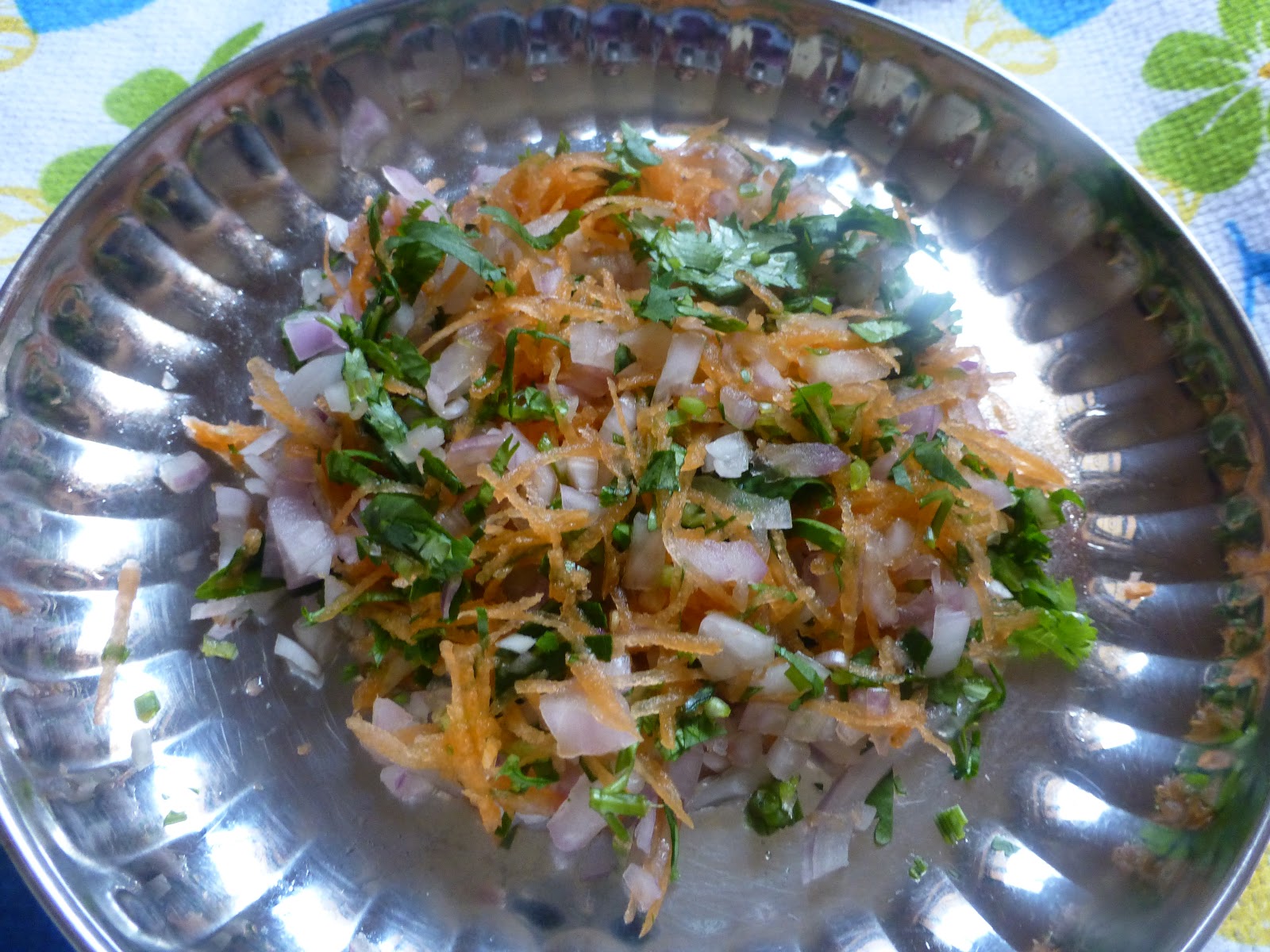
 Grated Carrot – 2 tbsp

 Salt – to taste


Method:


Mix all the above ingredients and combine with the Aappam mavu. Take a non-stick

Kuzhipaniyaram pan, grease with oil. Pour the batter until the kuzhi is half filled. When one

side is done, turn over and cook the other side, until golden brown. It can be served with any

kind of chutney or sambhar.

It’s very simple, yet very delicious. If you don’t possess a kuzhi-paniyaram pan, you can use

Dosai pan. You can make Mini Uthappams. Kids will enjoy both Kuzhipaniyaram and mini

Uthappam.


Beans Vellai Porial/ Beans Curry


Beans are rich in Vitamin K, Vitamin A, Vitamin C and dietary fibre. Recently researchers have found that beans possess excellent anti-oxidant capacity.

This simple curry is very easy to make in a very short time.  Kids would love to eat. 
 

Ingredients:

Beans – 250 gms

Green Chilli – 1(slit into half)

Grated Coconut – 2 tsp. (optional)
 

Tempering:

Curry Leaves – few

Mustard Seeds – ¼ tsp.

Urad Dhal – ¼ tsp.

Zeera/cumin seeds – ½ tsp.


Final Addition:
Poriyal Podi – 1 tsp. (according to taste you can add more or less)
You can find the recipe for Porial podi,  under the label Podi Varieties.


Method:
Wash and slice the beans into small rings.
Heat the pan with 1 tbs. of oil, after it gets heated add the mustard seeds, once they splutter, add urad dhal, followed by jeera, chilli and curry leaves.
After a minute, add beans. Cook for few minutes, add necessary salt. Cook until soft, it might take 7 to 10 minutes. Toss the grated coconut, stir well. Switch off the stove and mix the porial podi. Serve hot with rice and ghee/sambar/puzhi kozhambu.


Broccoli Porial


Broccoli is rich in dietary fiber, minerals, vitamins, and anti-oxidants that have proven health benefits.

I used to cook broccoli with masala, like other veggies. It won't be tasty, yet we know broccoli is healthy. So, dutifully all of us would eat. But after I learnt this recipe from an aunty, it was not a chore any more. Even kids started liking broccoli.

This is very simple and quick recipe, which can be made in few minutes. Instant healthy vegetable side-dish.

Ingredients:
Broccoli - 1
Cut into small flowerets

Tempering:

Green chilli - 1 (slit into half)
or 1/4 tsp of crushed red chilli

Cumin seeds - 1/2 tsp

Fennel seeds - 1/4 tsp

Urad dhal/black gram - 1/4 tsp

Asafotida/hing - 1/8 tsp

Curry leaves - few

Oil - 1 tsp

Ghee - 1 tsp (final addition)

Salt - to taste

Method:

Take the broccoli flowerets in a large microwaveable bowl. Toss the salt, sprinkle some water, combine well. Cook in microwave for 3 to 4 minutes. Broccoli is best eaten half-cooked, so do not cook through.

In a kadai, add oil and the tempering ingredients. Once the mustard splutters add broccoli, mix well. After a minute, transfer to a bowl. Toss the ghee.

Serve with hot rice and ghee, it's a divine combination.